

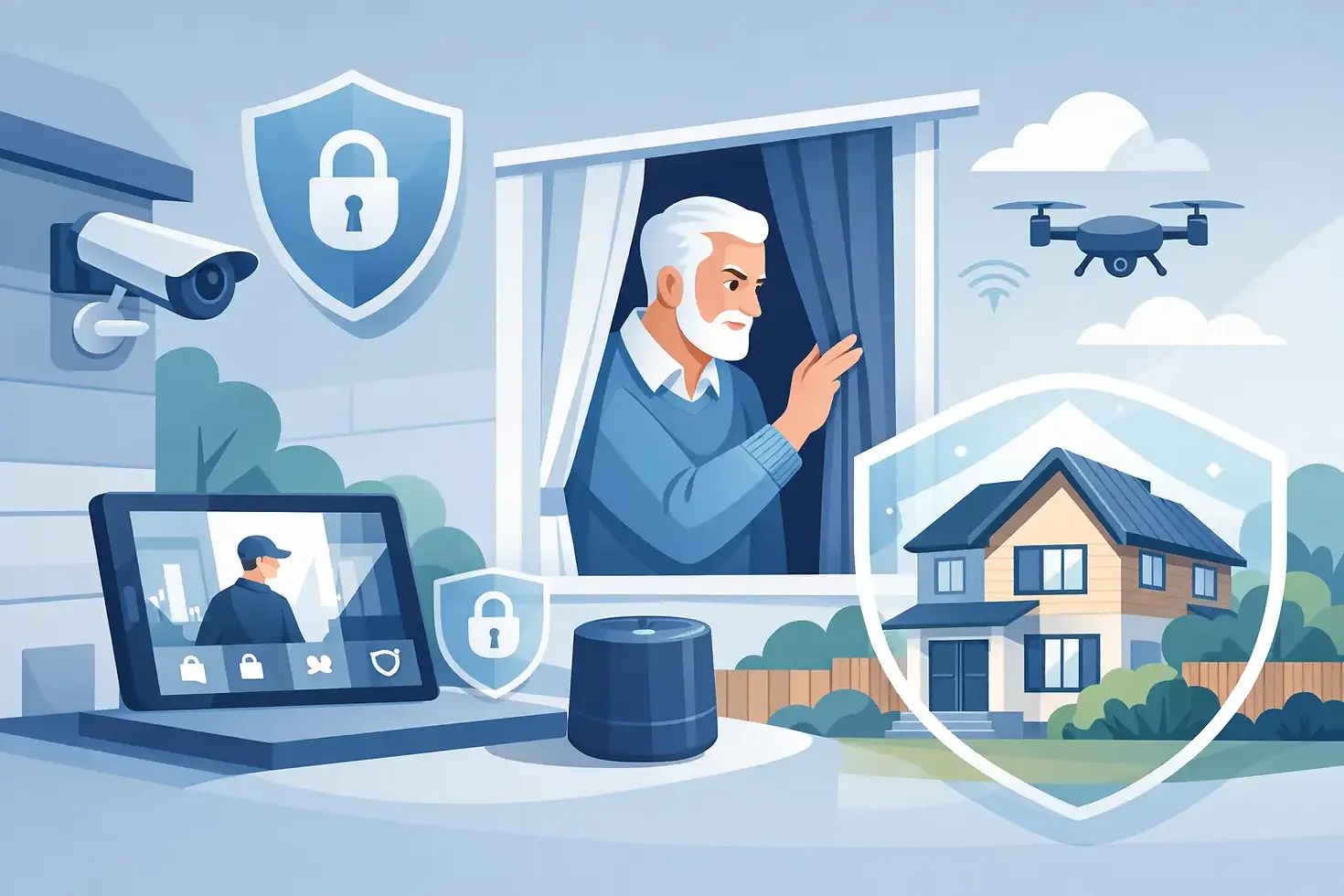
How to Improve Home Privacy at Home
- unclearthurdbsa
- Jul 6
- 6 min read

You notice it most when you are trying to relax. The front room feels a bit exposed at night, the backyard is overlooked from next door, and every delivery or knock at the door puts your entryway on show. If you are wondering how to improve home privacy, the right answer is usually not one big fix. It is a series of practical upgrades that work together to make your home feel more secure, more comfortable and easier to enjoy every day.
Privacy is not only about blocking views. For most homeowners, it sits somewhere between security, comfort and street appeal. A house that feels private often feels safer as well. It also tends to work better in daily life, whether you are spending time on the deck, opening the front door, or simply wanting natural light without feeling overlooked.
How to improve home privacy without closing off your home
A common mistake is treating privacy like an all-or-nothing job. People put up heavy coverings, dark films or bulky barriers, then find the house feels shut in. The better approach is to look at where privacy matters most and match the solution to that area.
Front-facing windows need a different treatment from an outdoor entertaining space. A side gate has different demands from a main entry door. Some parts of the home need visual screening during the day, while others need stronger protection at night. Once you break it down this way, it becomes much easier to choose upgrades that add privacy without losing airflow, light or presentation.
The most effective homes usually layer privacy. They might combine a secure front door with a screened entry, roller shutters on selected windows, and outdoor blinds around an alfresco area. Each product does a specific job, but together they create a home that feels noticeably more protected.
Start with the entry points people see first
If your front entry is exposed, the whole home can feel that way. Anyone walking up the path, knocking at the door or passing by can often see more than you would like. This is why the front door and immediate entry zone are a smart place to begin.
A well-designed security door can improve privacy in two ways. First, it creates a physical barrier that lets you answer the door with more confidence. Second, depending on the design, it can reduce direct visibility into the home while still allowing airflow and natural light. That matters in Australian conditions, especially when you want ventilation without leaving the entry wide open.
There is a style balance to get right here. Some homeowners want a more open look with stronger visibility out. Others prefer a denser screen or decorative design that gives more cover from the street. The right choice depends on your layout, your setback from the road and how exposed the doorway is.
Gates can also make a bigger difference than people expect. A front or side aluminium gate can define the boundary, reduce casual sightlines and create a stronger sense of separation between public and private space. For corner blocks or homes with open side access, this can be one of the simplest ways to reduce unwanted visibility.
Windows are often the biggest privacy weakness
Most homes lose privacy through the windows long before the owners think about doors or fencing. Large panes bring in light and make rooms feel bigger, but they also create direct sightlines from the street, neighbouring properties and shared access areas.
This is where it helps to think room by room. Bedrooms and living areas usually need the highest level of privacy, but not necessarily the same kind. A bedroom may need full screening after dark. A lounge room may need softer filtering during the day while still keeping the room bright.
Roller shutters are a strong option when you want privacy, weather protection and added security in one product. They are especially useful on exposed front windows, bedrooms and street-facing living areas. They can help control visibility, reduce heat and provide an extra barrier when the home is unattended. The trade-off is that they are a more noticeable external feature, so the finish and fit need to suit the home rather than look like an afterthought.
Window guards can also be worth considering in selected locations, particularly where privacy and security overlap. Ground-floor windows, side access windows and commercial-style entry points often benefit from a stronger physical layer. The best results come from custom-fit products that look tidy and intentional, not heavy or industrial.
How to improve home privacy in outdoor living areas
Outdoor privacy is where comfort and lifestyle really meet. A backyard or alfresco area can be beautifully set up, but if it feels exposed to neighbours or the street, people use it less. That is why privacy upgrades around entertaining spaces often deliver some of the most noticeable day-to-day value.
Outdoor blinds are one of the most flexible ways to create privacy without permanently boxing in the area. They can screen off a patio, verandah or pergola, cut glare, reduce wind and make the space more usable across the seasons. If your entertaining area catches attention from the side or rear, blinds can give you control over when to open up and when to close things off.
The practical advantage is flexibility. Solid screening can be effective, but it stays fixed. Outdoor blinds let you adjust privacy based on the weather, the time of day and how you want to use the space. For many Melbourne households, that matters because conditions can shift quickly and outdoor areas need to work across more than one season.
If your deck or patio feels exposed from above or from neighbouring second-storey windows, the answer may need to be more targeted. In that case, combining blinds with side screening, boundary treatments or a custom gate layout often works better than relying on one product alone.
Privacy and security usually work best together
When homeowners ask how to improve home privacy, they are often also talking about peace of mind. They want fewer direct views into the home, but they also want to feel more secure using doors, windows and outdoor areas.
That is why the best privacy upgrades are rarely just decorative. A quality security door, a fitted shutter system or a durable gate can improve privacy while also strengthening the home against forced entry or unwanted access. This dual benefit tends to make the investment more worthwhile, especially for owner-occupiers planning long-term improvements rather than quick cosmetic fixes.
There is also a property value angle. Buyers generally respond well to homes that feel protected, tidy and easy to live in. Privacy features that are custom-fit and professionally installed usually present better than temporary add-ons. They look like part of the home, not a workaround.
Choose products that suit the house, not just the problem
One of the biggest differences between an average result and a good one is whether the privacy solution actually suits the home. A narrow entrance may call for a different style of security door than a wide modern façade. A heritage-style property may benefit from a timber door or decorative screen that preserves the character. A newer build may suit cleaner lines and more minimal framing.
Custom fit matters for more than appearance. It affects coverage, durability and performance over time. Gaps, awkward finishes and poor alignment can weaken both privacy and security. They also tend to stand out visually, which is the opposite of what most homeowners want.
This is where working with an experienced supplier makes a real difference. Uncle Arthurs Doors and More focuses on practical solutions that are made to fit the property properly, installed professionally and designed to hold up over time. For homeowners, that means less guesswork and a better chance of getting privacy improvements that feel right from day one.
Focus on the areas that affect daily life first
If you are planning improvements in stages, start with the areas you use most or notice most often. For some households, that is the front entry. For others, it is a street-facing lounge room or an alfresco area that never quite feels private enough to enjoy fully.
The goal is not to turn your home into a fortress. It is to make it feel calmer, better protected and more comfortable to live in. Good privacy should still allow light, airflow and a welcoming appearance. When you get that balance right, the whole property works better.
A private home is not one that feels closed off. It is one that lets you choose what stays open, what stays screened and how you want to live in the space each day.


Comments